Comparing Skylights and Standard Windows: Flat Roof Benefits Explained
The debate about skylights and traditional windows in flat roof designs displays notable advantages in favor of skylights. These architectural elements not only improve natural light but also improve ventilation and energy efficiency. As homeowners and architects weigh their choices, the aesthetic appeal and functional merits of skylights warrant careful examination. What key factors might influence the choice between these two choices in flat roofs?
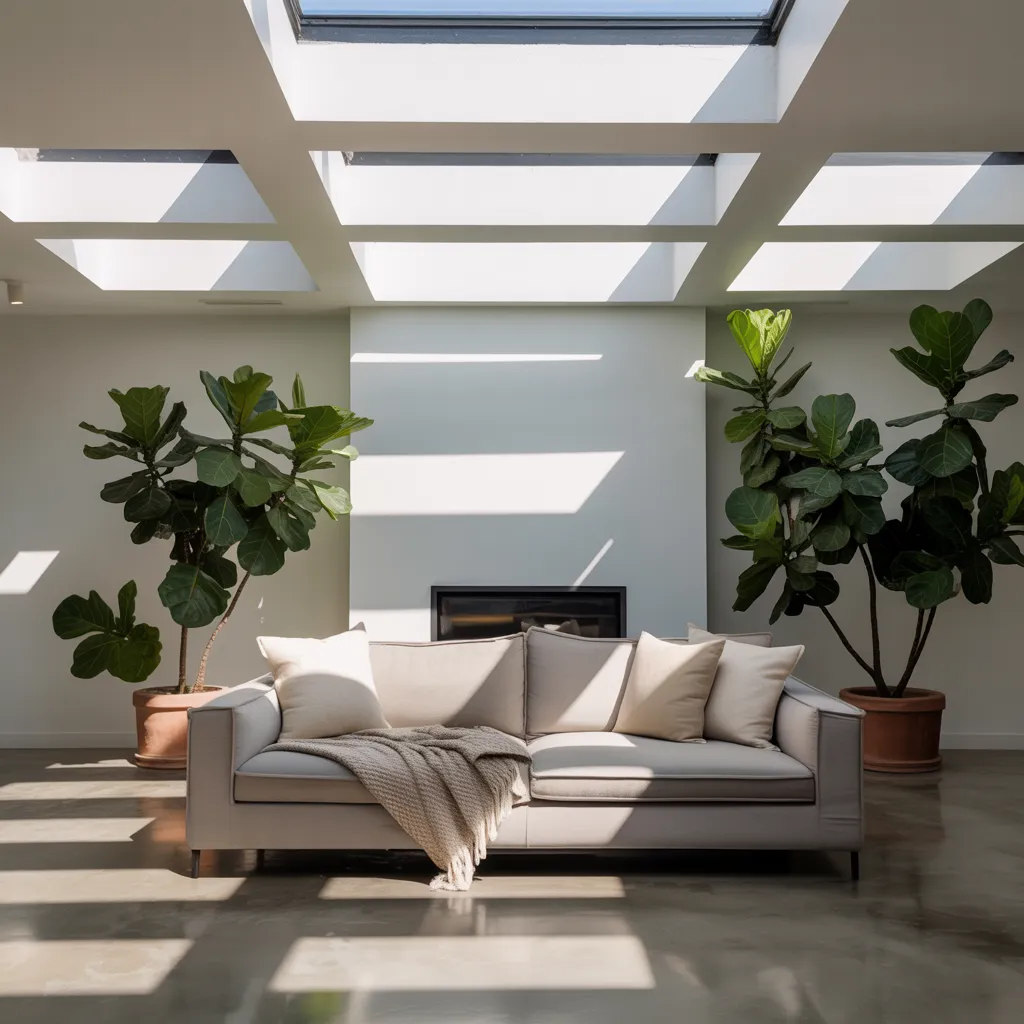
The Visual Charm of Skylights
Skylights deliver a unique aesthetic appeal that differentiates timely resource them from conventional windows. They bring an element of architectural sophistication, improving both interior and exterior designs. These features create a smooth connection between indoor spaces and the sky above, inviting natural elements into the home. The illumination offered by skylights can dramatically alter the mood of a room, making it feel airier and more spacious. Their diverse shapes and sizes allow for customization, fitting diverse architectural styles and personal preferences. In addition, skylights can serve as focal points, drawing attention and adding visual interest to otherwise plain ceilings. Overall, the incorporation of skylights elevates the design of a space, providing beauty and functionality that traditional windows may be unable to offer.
Maximizing Natural Light in Flat Roofs
How can homeowners effectively enhance natural light in flat roof designs? One successful strategy involves the installation of skylights, which permit sunlight to penetrate deeper into the living space. By strategically placing skylights, homeowners can bring light to dark areas and create a more inviting atmosphere. Additionally, using larger skylights or clerestory windows can increase light intake while maintaining privacy. Integrating reflective surfaces, such as light-colored walls and ceilings, can also increase the brightness within a room. Moreover, homeowners should consider the orientation of the flat roof to improve sunlight exposure throughout the day. By uniting these elements, flat roof designs can transform into bright, airy spaces that make the most of natural light.
Ventilation Benefits of Skylights
While countless homeowners prioritize the visual and illumination benefits of skylights, their role in ventilation is similarly crucial. Skylights facilitate the organic air circulation, letting hot air to escape while bringing in cooler air from below. This natural ventilation method can support maintaining indoor temperatures, especially during warmer months, increasing comfort without relying solely on mechanical systems. Furthermore, strategically placed skylights can generate a cross-ventilation effect, further improving airflow throughout the space. This is particularly helpful for flat roofs, where motionless air tends to collect. By enhancing ventilation, skylights can assist in lowering humidity levels and boost indoor air quality, making them a wise selection for homeowners looking to maintain a healthier living environment.
Comparing Energy Efficiency
When evaluating energy efficiency, skylights and traditional windows deliver distinct advantages and drawbacks that can significantly impact a home's energy consumption. Skylights can boost natural light penetration, lessening reliance on artificial lighting and thereby reducing electricity costs. However, they may also create increased heat gain during summer and heat loss in winter if not properly insulated. On the other hand, traditional windows are often furnished with energy-efficient glazing options that reduce thermal transfer, aiding in maintain consistent indoor temperatures. While they may not supply as much natural light as skylights, their capability in insulation can lead to lower heating and cooling expenses. In the end, the choice between skylights and traditional windows relies on individual preferences and specific energy efficiency goals.
Skylight Installation: Key Considerations
Installing skylights requires several considerations that can substantially affect their performance and overall effectiveness. Appropriate placement is crucial; installers must evaluate the sun's path and eliminate obstructions that could block light. Furthermore, the roofing material plays a major role; compatibility with the existing flat roof system is necessary to stop leaks. Weatherproofing is another key factor; adequate sealing and flashing must be utilized to prevent water intrusion. The choice of skylight type—fixed, vented, or tubular—also influences functionality and energy efficiency. Finally, local building codes and regulations must be complied with, ensuring compliance and safety. Comprehensive planning and professional installation can optimize the benefits of skylights while reducing potential issues.

Maintenance and Durability of Skylights compared to Windows
Though both skylights and regular windows increase natural light in a home, their maintenance and longevity differ considerably. Skylights often require more attention as a result of their placement on level roofs, which can result in potential leaks and debris accumulation. Routine inspection and cleaning are crucial to avert these issues, contributing to a shorter lifespan compared to traditional windows. In contrast, regular windows are commonly easier to maintain, requiring periodic cleaning and occasional sealant replacement. Their longevity is usually extended by proper care, especially in climates with less extreme weather. Therefore, homeowners should consider these differences in maintenance requirements and durability when deciding between skylights and traditional windows for their spaces.
Financial Assessment: Skylights vs. Traditional Windows
Understanding the financial considerations of skylights versus traditional windows is essential for homeowners making educated decisions. Skylights generally have higher initial installation costs, spanning from $1,000 to $2,500, determined by size and type. Furthermore, homeowners should assess potential ongoing expenses associated with maintenance and energy efficiency. Traditional windows, while generally cheaper to install at $300 to $1,000, may generate higher energy costs if not properly insulated. Nevertheless, skylights can boost natural light, likely reducing electricity bills. Long-term savings from lowered lighting needs and increased property value should also be considered. In the end, the choice between skylights and traditional windows relies on the homeowner's budget, design preferences, and long-term financial goals. A detailed cost analysis can assist with this decision-making process.
Questions & Answers
Will Skylights Increase the Resale Value of Your Property?
Skylights may improve the resale value of a property by increasing natural light and creating an inviting atmosphere. Homebuyers often appreciate these features, potentially generating higher offers and speedier sales in competitive markets.
Are Various Skylight Types Available?
Various types of skylights are available, including fixed, vented, tubular, and electric options. Each variety serves different purposes, such as daylighting, ventilation, or energy efficiency, addressing diverse architectural needs and homeowner preferences.
What Effect Do Skylights Have on Indoor Temperatures Across All Seasons?
Roof windows considerably affect indoor temperatures across the year by letting natural light to enter, which can warm spaces during winter. However, they may also lead to overheating in summer without suitable ventilation or shading solutions.
Which Materials Should You Choose for Skylight Construction?
For skylight construction, polycarbonate, tempered glass, and acrylic are regarded as the best materials. These materials offer durability, UV resistance, and insulation properties, delivering optimal performance and energy efficiency in various weather conditions throughout the year.
Can You Install Skylights in Existing Flat Roofs?
Absolutely, skylights can be fitted in existing flat roofs. Appropriate planning and installation techniques provide water drainage and structural integrity, allowing homeowners to increase natural light and ventilation without sacrificing the roof's functionality.